Categorie: Discipline

Articles to help students build discipline, stay consistent and improve their study habits with simple and practical methods.

  • How to Build Discipline in 7 Days: The Ultimate Action Plan

    Most people think discipline is something you’re born with. They see high-performers waking up at 5:00 AM, hitting the gym, and working focused for hours, and they think, “I could never do that.” But here is the truth: Discipline is a muscle. If you don’t train it, it stays weak. If you push it every day, it becomes an unstoppable force. In this article, we’ll explore why most people fail and how you can reboot your system in just one week.

    Why Motivation is Your Enemy

    The biggest mistake people make is waiting for “motivation.” Motivation is a feeling. It comes when you watch a viral video, but it disappears when you’re tired or stressed. Discipline is what kicks in when motivation is gone. It’s the ability to do what needs to be done, whether you feel like it or not.

    The 3 Pillars of Self-Discipline

    Master Your Morning If you lose the first hour of your day to your phone or the snooze button, you’ve already lost the battle for your mind. You need a “win” early in the morning to set the tone for the rest of the day.

    Control Your Environment It’s hard to stay disciplined in a room full of distractions. If you want to focus, your phone needs to be in another room. If you want to eat healthy, the junk food needs to be out of the house.

    Embrace Discomfort Discipline is built in the “uncomfortable zone.” Doing a cold shower, finishing that difficult task first, or pushing for one more rep in the gym—these are the moments where your brain learns that you are the boss.

    The 7-Day Discipline Reset

    If you are ready to stop making excuses, you need a plan that shocks your system. During the first two days, you must focus on a total system reset by breaking the habit of checking your phone. By the middle of the week, you move into resistance training where you push through physical and mental laziness. Finally, the last three days are about setting a new standard and integrating deep focus into your daily life. Building discipline isn’t about being perfect; it’s about being consistent.

    Conclusion

    You are only one week away from a completely different mindset. You can continue scrolling and hoping for a change, or you can take action today. Don’t start “tomorrow.” Start now. To make it easier for you, I’ve put together a complete, 7-Day Discipline Blueprint. It includes the non-negotiable rules, a full daily schedule, and checklists to keep you on track.

  • How to Improve Focus

    Most people today struggle to focus for long periods of time.

    Constant notifications, social media, short-form content and endless distractions are training the brain to avoid deep focus. As a result, studying, working and staying productive becomes harder every day.

    The good news is that focus is not something you are born with — it is a skill you can train and improve over time.

    In this article, you’ll learn practical strategies to improve focus, avoid distractions and build stronger mental discipline.


    Remove Distractions First

    Improving focus starts with removing the things that destroy it.

    Phones, notifications, multitasking and social media constantly interrupt attention and make deep concentration difficult. Every interruption forces the brain to restart its focus again.

    One of the simplest ways to improve concentration is to create an environment with fewer distractions.

    Keep your phone away while working, close unnecessary tabs and focus on one task at a time. The fewer distractions around you, the easier it becomes to stay focused for longer periods.


    Train Deep Focus

    Focus works like a muscle. The more you train it, the stronger it becomes.

    Most people are used to switching between apps, videos and messages every few minutes. This weakens attention span and makes long periods of concentration feel uncomfortable.

    A simple way to train focus is to work in uninterrupted sessions. Start by focusing on a single task for 25 minutes without checking your phone or switching activities.

    As your concentration improves, increase the length of your sessions over time.

    Deep focus becomes easier when you practice it consistently.


    Reduce Dopamine Overload

    Many people struggle to focus because their brains are overstimulated.

    Social media, short-form videos and constant entertainment provide instant dopamine, which makes normal tasks feel boring and difficult.

    When the brain becomes addicted to constant stimulation, studying, reading and deep work require much more effort.

    Reducing unnecessary screen time can significantly improve focus and mental clarity. Spending less time scrolling and more time doing difficult tasks helps retrain the brain to concentrate again.

    Learning to be comfortable with boredom is an important part of building focus.


    Improve Your Sleep

    Sleep has a major impact on focus and productivity.

    When you are tired, concentration becomes weaker, distractions become harder to resist and mental performance decreases.

    Good sleep improves attention span, memory, energy and self-control.

    Creating a consistent sleep schedule and avoiding screens before bed can help improve mental clarity during the day.

    A focused mind starts with proper rest.


    Build Discipline and Consistency

    Many people depend on motivation to stay productive, but motivation changes constantly.

    Discipline is what allows you to focus even when you do not feel motivated.

    Small daily habits build long-term focus over time. Working consistently, following routines and reducing distractions every day trains the brain to stay concentrated for longer periods.

    Improving focus is not about being perfect. It is about being consistent.

    The people with the strongest focus are usually the people with the strongest discipline.


    Conclusion

    Focus is one of the most valuable skills you can develop today.

    In a world full of distractions, the ability to concentrate deeply gives you a major advantage in studying, work and daily life.

    Improving focus takes practice, discipline and consistency, but anyone can develop it over time.

    Start small, stay consistent and train your focus every day.

  • Quit Studying Too Early? Here’s Why It Keeps Happening

    The Truth About Quitting Too Early

    Many students start studying with motivation.

    But after a short time, they stop.

    This happens because most students rely on feelings instead of structure.

    When motivation disappears, consistency disappears too.


    Why Students Quit Studying Too Early

    Studying requires mental energy.

    After some time, your brain starts looking for comfort and distraction.

    That is why students often check their phone, open social media, or lose focus quickly.

    Over time, this becomes a habit.

    And that habit makes students quit studying too early.


    The Real Problem Behind Inconsistency

    Most students think they need more motivation.

    But motivation is temporary.

    Some days you feel productive.
    Other days you feel tired and distracted.

    Without a clear system, staying consistent becomes difficult.


    Signs You Quit Studying Too Early

    You stop after a short amount of time.
    You lose focus quickly.
    You get distracted easily.
    You avoid difficult tasks.

    These habits slowly destroy discipline and consistency.


    How to Stop Quitting Studying Too Early

    Study With Time Blocks

    Do not study randomly.

    Use a timer instead.

    Focus for 25 to 45 minutes.
    Take a short break after.

    This keeps your brain focused for longer periods.


    . Stop Depending on Motivation

    You will not feel motivated every day.

    That is normal.

    Successful students work even when they do not feel like it.

    Consistency matters more than motivation.


    3. Make Studying Easier to Start

    Most students make studying feel too difficult.

    Prepare everything before you begin.

    Open your books.
    Clear your desk.
    Remove distractions.

    Simple preparation reduces resistance.


    What Most Students Do Wrong

    They try to study for too long immediately.

    Then they become mentally exhausted and stop.

    Discipline is built slowly.

    Short and consistent study sessions work better than extreme effort.


    Discipline Creates Consistency

    Students who stay consistent do not rely on motivation.

    They rely on routines and structure.

    That is the difference between students who quit early and students who improve daily.


    Build Better Study Habits

    Consistency is built through repetition.

    You do not need perfect motivation.
    You need simple daily actions.

    Small improvements every day create real discipline over time.


    Final Thought

    If you always quit studying too early,
    the problem is not laziness.

    The problem is a lack of structure and consistency.

    Once you create better habits and follow a simple system,
    studying becomes easier to maintain.

    Real discipline is built one small action at a time.

  • Lazy Student? How to Stop Being Lazy and Stay Consistent

    The Truth About Being a Lazy Student

    Most students think they are lazy.

    But in reality, being a lazy student is usually caused by a lack of structure, energy, and consistency.

    It is not because you are incapable.
    It is because your habits are working against you.


    Why Students Feel Lazy

    Your brain always chooses comfort first.

    Studying takes effort.
    Discipline takes energy.

    So your brain looks for easier options like social media, watching videos, staying in bed, or doing unimportant tasks.

    Over time, this becomes a habit.

    That habit makes you feel like a lazy student.


    The Real Cause of Laziness

    Most people blame motivation.

    They think:
    “I just need more motivation.”

    But motivation disappears quickly.

    Some days you feel productive.
    Other days you feel tired and distracted.

    Without a system, consistency becomes impossible.


    Signs You Are Struggling With Laziness

    You start tasks late.
    You avoid difficult work.
    You waste time without noticing.
    You keep saying “I’ll do it tomorrow.”

    These habits slowly destroy focus and discipline.


    How to Stop Being a Lazy Student

    1. Make Your Tasks Smaller

    Big tasks create stress.
    Stress creates avoidance.

    Instead of saying:
    “I need to study all day”

    Say:
    “I will study for 15 minutes.”

    Small actions are easier to start.
    And starting changes everything.


    2. Stop Waiting for Motivation

    Motivation is unreliable.

    Successful students work even when they do not feel motivated.

    Create a schedule.
    Follow it daily.

    Discipline grows through repetition.


    3. Improve Your Environment

    Your environment affects your behavior.

    A messy space creates distraction.
    Your phone destroys focus.

    Create a clean and simple workspace.

    The easier it is to focus,
    the less lazy you will feel.


    What Most Lazy Students Do Wrong

    They try to change everything at once.

    They create huge goals.
    Then they fail after a few days.

    Real discipline is built slowly.

    Small daily actions are more powerful than extreme motivation.


    Discipline Changes Everything

    Laziness is often a sign of poor habits.

    When you improve your habits,
    your discipline improves naturally.

    You become more focused.
    More consistent.
    More productive.

    Not only in studying.
    But in every part of your life.


    Build Consistency Step by Step

    You do not need to become perfect overnight.

    You only need to start small, stay consistent, and repeat simple actions daily.

    That is how discipline is built.


    Final Thought

    Being a lazy student does not mean you cannot change.

    Most students simply do not have the right structure.

    Once you create better habits and follow a simple system,
    consistency becomes easier.

    Discipline is not built in one day.
    It is built through small actions repeated over time.

  • Why You Keep Procrastinating as a Student (And How to Stop Fast)

    The Truth About Procrastination as a Student

    You are not lazy.
    You are not weak.

    Procrastination as a student happens when your system is wrong.
    Not when your mindset is broken.

    Most students blame themselves.
    But the real issue is how they approach their work.

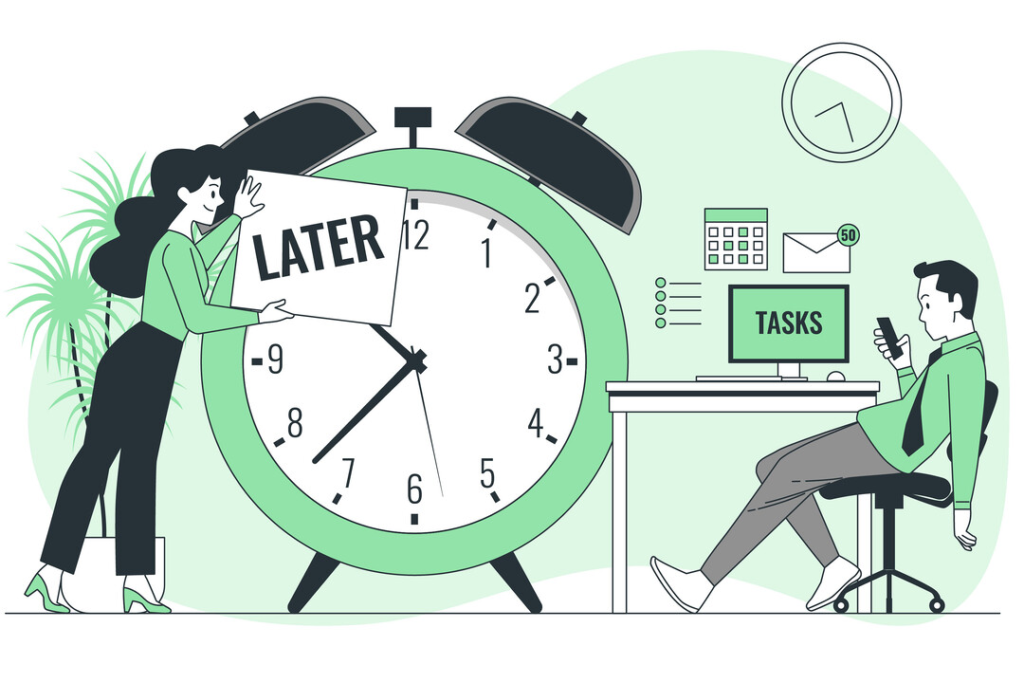
    student struggling with procrastination as a student while studying”

    Why You Keep Procrastinating as a Student

    Your brain is built to avoid effort.
    It looks for what is easy and fast.

    Studying feels slow.
    It takes focus and energy.

    So you switch to easier things like your phone or videos.

    This is not a discipline failure.
    It is a natural reaction.


    The Real Problem Behind Procrastination

    Most students depend on motivation.
    That is where everything goes wrong.

    Motivation is temporary.
    Some days you feel ready.
    Other days you don’t.

    If you rely on motivation, your actions become inconsistent.

    That is why procrastination as a student keeps coming back.


    Signs You Struggle With Procrastination as a Student

    You delay starting even simple tasks.
    You tell yourself “I will do it later.”
    You feel guilty but still don’t act.
    You rush everything at the last moment.

    These patterns repeat daily.

    This is not about discipline.
    It is about structure.


    How to Stop Procrastination as a Student

    Start Small

    Big tasks create pressure.
    Pressure creates delay.

    Make everything smaller.

    Study for 10 minutes.
    Read one page.
    Solve one question.

    Starting is the hardest part.
    Once you begin, it gets easier.


    2. Use Time Instead of Feelings

    Feelings change all the time.
    Time does not.

    Set a clear study block.

    Work for 25 to 45 minutes.
    Take a short break after.

    Follow the timer, not your mood.

    This builds consistency.


    3. Control Your Environment

    Your environment shapes your actions.

    If distractions are close, you will use them.

    Create a clean space.
    Remove your phone.
    Prepare your work before starting.

    Make focus easier than distraction.


    What Most Students Do Wrong

    They try to force themselves to work harder.
    They wait until they feel ready.

    This creates a cycle of starting and stopping.

    Discipline is not about pushing yourself.
    It is about removing resistance.


    Fix the System, Fix the Behavior

    If your system is unclear, you delay.
    If your system is simple, you act.

    Procrastination as a student disappears
    when your actions become clear and easy to follow.

    You don’t need more motivation.
    You need a better structure.


    Discipline Is the Real Solution

    Procrastination is only a symptom.

    The real problem is a lack of discipline.

    And once you build discipline, everything improves.

    You focus better.
    You stay consistent.
    You follow through on what you start.

    Not just in studying.
    But in every part of your life.


    Final Thought

    You don’t need to become a different person.

    You only need to change how you start.
    How you work.
    And how you structure your time.

    Small changes create real discipline.

    And discipline removes procrastination as a student.

    Final Thought

    Procrastination as a student does not come from laziness.

    It comes from a lack of structure.

    When you make your actions simple and clear,
    you start taking control again.

    You don’t need more motivation.
    You need a system that helps you act consistently.

    Small actions, repeated daily, build real discipline.

    And once you build discipline,
    you can use it in every part of your life.


    These methods are simple, practical, and focused on real results.

    If you found this helpful, don’t forget to leave a review.

  • Student Discipline vs Motivation: What Students Should Focus On

    Many students believe motivation is the key to success.

    They wait to feel ready.
    They wait to feel inspired.

    But this approach does not work.

    Motivation is temporary.
    Student discipline is consistent.

    Understanding the difference between motivation and student discipline can completely change how you study.

    Student discipline vs motivation shown through focused studying and consistent habits

    1. Motivation is Temporary

    Motivation feels powerful.

    It gives you energy.
    It makes you want to take action.

    But motivation does not last.

    Some days you feel motivated.
    Most days you do not.

    If you depend on motivation, your progress becomes inconsistent.

    That is why many students start strong and then stop.


    2. Student Discipline is Consistent

    Student discipline is different.

    It does not depend on feelings.

    It is about doing the work, no matter how you feel.

    Even when you are tired.
    Even when you are distracted.

    Student discipline keeps you moving forward.

    This is what creates real progress.


    3. Motivation Starts, Student Discipline Continues

    Motivation can help you begin.

    But it cannot help you stay consistent.

    Only student discipline can do that.

    Many students feel motivated at the beginning of the week.

    But by the middle of the week, they stop.

    Student discipline is what keeps you going when motivation disappears.


    4. Student Discipline Builds Habits

    Student discipline helps you build habits.

    And habits make everything easier.

    When you study at the same time every day, it becomes automatic.

    You do not need to think.

    You just act.

    This is how student discipline becomes part of your life.


    5. What Students Should Focus On

    Students should stop chasing motivation.

    They should focus on building student discipline.

    Start small.
    Stay consistent.
    Remove distractions.

    Over time, student discipline becomes stronger.

    And strong student discipline leads to better results.


    Conclusion: Focus on Student Discipline

    Motivation is helpful, but it is not reliable.

    Student discipline is what truly matters.

    When you focus on student discipline, you take control of your actions.

    And when you control your actions, you control your results.


    🔥 Build Real Student Discipline

    Most students rely on motivation and stay stuck.

    If you want a clear system to build strong student discipline step by step:

  • What Student Discipline Really Means for Students

    Student discipline is often misunderstood.

    Many students believe student discipline means being strict, always focused, or never getting distracted.

    But that is not the truth.

    Student discipline is not about perfection.

    It is about showing up and doing the work, even when it feels difficult.

    Student discipline shown through focused studying and consistent habits

    1. Student Discipline is Doing What Matters

    Student discipline means doing what needs to be done.

    Not what is easy.
    Not what is fun.

    But what actually moves you forward.

    Most students avoid difficult tasks.
    They delay studying.
    They choose comfort over progress.

    This is where student discipline makes the difference.

    Students with strong student discipline take action, even when they do not feel ready.


    2. Student Discipline is Not About Motivation

    Many students think they need motivation to start.

    They wait until they feel inspired.

    But motivation is unreliable.

    Some days you feel motivated.
    Most days you do not.

    Student discipline does not depend on motivation.

    It depends on habits.

    When you build habits, you do not need to think.

    You just act.

    This is how student discipline becomes strong and consistent.


    3. Student Discipline is Built Through Small Actions

    Student discipline is not built in one day.

    It grows through small actions repeated over time.

    Studying for a short time every day is more effective than long, inconsistent sessions.

    Small actions feel easier.

    And easier actions are more likely to be repeated.

    Over time, these small actions create strong student discipline.


    4. Student Discipline Creates Control

    Without student discipline, students feel lost.

    They procrastinate.
    They feel stressed.
    They fall behind.

    With student discipline, everything changes.

    You feel more in control.
    You manage your time better.
    You make progress every day.

    Student discipline gives structure to your life.

    And structure creates results.


    5. Student Discipline Makes Success Easier

    Many students think success requires talent.

    But in reality, student discipline matters more.

    Students who are consistent always outperform students who rely on motivation.

    Student discipline makes studying easier over time.

    What feels hard today becomes normal tomorrow.

    That is how real progress happens.


    Conclusion: Understand Student Discipline the Right Way

    Student discipline is not about being perfect.

    It is about being consistent.

    It is about taking action, even when you do not feel like it.

    When you understand this, student discipline becomes simple.

    And when student discipline becomes simple, success becomes possible.


    Build Your Student Discipline Faster

    Most students understand student discipline, but they do not know how to apply it in real life.

  • Student Discipline: Why Students Struggle (Real Reasons)

    Student discipline is one of the most important skills for success.

    Yet many students struggle with student discipline every single day.

    They think they are lazy.
    They think something is wrong with them.

    But the truth is simple.

    Most students never learned how student discipline actually works.

    Student discipline and focus while studying at a desk

    1. Lack of Structure Hurts Student Discipline

    Student discipline becomes very difficult when there is no clear structure.

    Most students do not have a fixed study routine.
    They study whenever they feel like it.

    This makes student discipline inconsistent.

    When there is no structure, students delay tasks.
    They lose focus more easily.
    Their student discipline drops quickly.

    The brain always chooses the easiest option.

    And without structure, that option is distraction.

    Building a simple routine is the first step to improving student discipline.


    2. Distractions Destroy Student Discipline

    Modern life is full of distractions.

    Social media.
    Notifications.
    Endless entertainment.

    All of this weakens student discipline.

    Every time you check your phone, your focus breaks.
    Every distraction makes it harder to return to your work.

    Student discipline requires focus.

    But focus is constantly being attacked.

    If you want strong student discipline, you must protect your attention.

    Less distraction means stronger student discipline.


    3. No Goals Means Weak Student Discipline

    Student discipline needs direction.

    Without clear goals, student discipline has no purpose.

    Many students study without knowing why.

    They just follow what others tell them.

    But without a clear reason, student discipline does not last.

    When you have a goal, everything changes.

    You have a reason to focus.
    You have a reason to stay consistent.

    Clear goals make student discipline stronger and easier to maintain.


    4. Motivation is Not Student Discipline

    Many students believe they need motivation.

    This is one of the biggest mistakes.

    Motivation comes and goes.
    Student discipline stays.

    Some days you feel motivated.
    Most days you do not.

    If you only act when you feel motivated, your student discipline will fail.

    Real progress comes from action, not feelings.

    Student discipline means doing the work even when you do not feel like it.

    That is what creates results.


    5. Overwhelm Reduces Student Discipline

    Too much work at once can break student discipline.

    When tasks feel too big, students avoid them.

    They delay.
    They overthink.
    Their student discipline drops.

    The brain sees big tasks as stress.

    So it chooses to escape.

    The solution is simple.

    Make tasks smaller.
    Focus on one step at a time.

    Small progress feels easier.

    And easier progress builds student discipline.


    Conclusion: Build Real Student Discipline

    Student discipline is not about being perfect.

    It is about showing up consistently.

    Students who succeed are not always smarter.

    They are more consistent.

    They have structure.
    They reduce distractions.
    They have clear goals.

    That is what builds strong student discipline.

    When you understand this, everything changes.


    Improve Your Student Discipline Faster

    Most students try to build student discipline on their own.

    But without a clear system, they stay stuck.

    Who We Are

    We are a small team focused on helping students build real student discipline.

    We study the best ideas from books, research, and real-world experience.
    Then we turn them into simple and practical systems.

    Our goal is simple.

    Help students improve focus.
    Build strong student discipline.
    Get better results in school.


  • How Students Can Build Discipline and Stay Consistent

    Building discipline is one of the most important skills you can develop as a student if you want to improve your study results and daily habits. Many students struggle to stay consistent, lose motivation quickly and fall back into bad habits.

    The good news is that you can build discipline step by step. It’s not about being perfect — it’s about creating simple systems that help you stay on track every day.

    In this article, you’ll learn how to build discipline as a student and take control of your daily actions.

    how to build discipline for students step by step

    What Is Discipline

    Discipline is the ability to control your actions and stay consistent with what you need to do, even when it’s difficult.

    For students, this means studying when you don’t feel like it, avoiding distractions and sticking to your routine.

    It’s not about feeling motivated all the time. It’s about doing what needs to be done, even when you don’t feel like it.

    People often think discipline means being strict or extreme, but in reality, it’s about building simple habits and sticking to them every day.


    Why Most Students Lack Discipline

    Many students struggle with discipline not because they are lazy, but because they don’t have a clear system.

    They rely on motivation, and when motivation disappears, they stop studying.

    Distractions like phones, social media and lack of structure make it even harder to stay consistent. Without a clear plan, it’s easy to fall back into old habits.


    Why Discipline Is Important for Students

    Discipline is what allows you to make progress in your studies. Without it, it’s hard to stay focused, build habits or reach your goals.

    It helps you stay consistent, even on days when you don’t feel motivated. Over time, this consistency leads to real results.

    Whether it’s improving your grades, building better habits or managing your time, discipline is the key to long-term success.


    Basic Ways to Start Building Discipline

    If you want to start building discipline as a student, begin with small and simple actions. Don’t try to change everything at once.

    Focus on one habit and repeat it daily. Keep it realistic so you can stay consistent.

    Create a simple study routine and remove distractions that make it harder to focus.

    Remember, discipline grows through action, not perfection.


    Start Small and Stay Consistent

    Building discipline takes time. You won’t become consistent overnight, but every small step matters.

    Even if you only improve a little each day, it will add up over time.

    The key is to keep going, even when it feels difficult. Consistency always wins.


    Conclusion

    Discipline is not something you’re born with — it’s something you build over time through small, consistent actions.

    As a student, you don’t need to be perfect or highly motivated every day. What matters is showing up, taking action and staying consistent, even when it feels hard.

    If you focus on building simple habits and improving step by step, discipline will become part of your daily life. And once you have discipline, everything else becomes easier.